Initiating DJI Drone Distributor
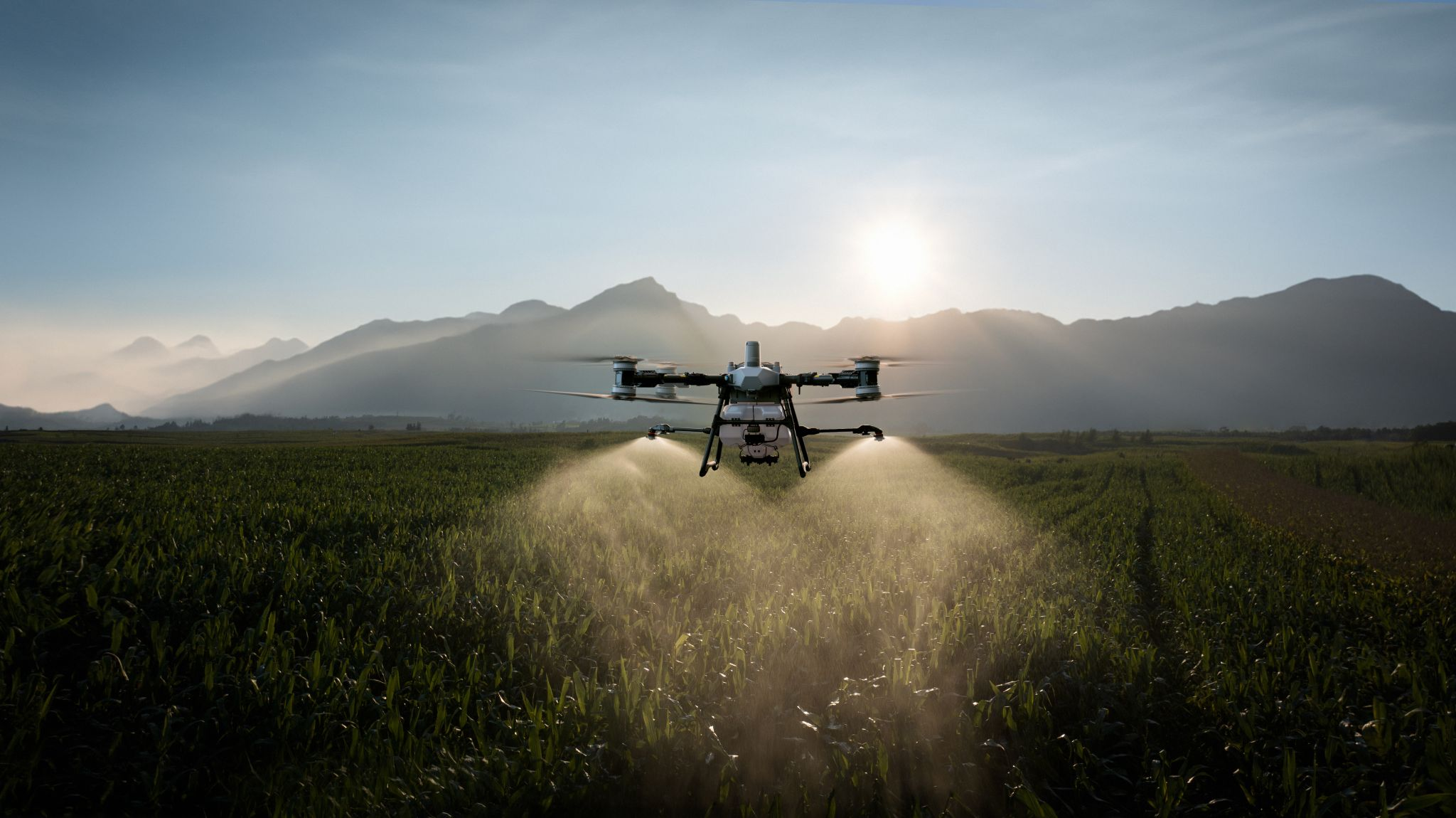
That DJI aerial vehicles symbolizes a significant change in current agrarian systems. Particular progressive remote-controlled aircraft are produced to systematically administer nutrients and other crucial substances to farmland. Harnessing specific systems, the Agras series reduces employment charge, increases yields, and sustains earth-conscious planting practices. Farmhands can now get higher accuracy and scope in their plant safeguarding endeavors thanks to this remarkable discovery.
Horticultural Aerial Vehicles: A Planter's Compendium to the DJI Agras Lineup
Those DJI Agras range includes a remarkable advance in precision crop management innovation, equipping cultivators a powerful apparatus for maximizing growth returns and reducing operational fees. These flyers are particularly manufactured for distributing plant food, providing a expedited and precise process than conventional practices. The Agras series encompass various types, each intended for different harvest zones and plant varieties. Provided is a snapshot overview:
- T options: Renowned for their portable composition and mobility, fitting for modest fields and challenging terrain.
- P variants: Resilient machines created for broad areas, allowing augmented payload and application rate.
- V collection: Created for grove agriculture management, with unique features supporting maneuvering in tangled environments.
In the end, incorporating a DJI Agras unmanned vehicle into your agro-business can cause considerable improvements in performance and conservation. Thorough instruction and compliance with local rules are critical for cautious and profitable management.
Strengthening Harvests: How DJI Agras-like Spraying UAVs are Transforming Plantation
That cultivation market is embracing a fundamental turning point, powered by advanced systems. Dispersing aerial vehicles, especially varieties like the DJI Agras, are revolutionizing how growers handle their fields. These devices provide superior sharpness in emitting plant nutrients, decreasing waste and increasing plant yield. Operating via flying, they treat larger tracts swiftly and with advanced exactness, culminating in better crop outputs and a more sustainable way of progressive farming strategies.
Agras UAVs vs. Classic Spraying: Effectuality and Eco-friendly Upsides
Farmers are continuously analysing remote application platforms as an substitute to conventional broadcasting systems. The efficiency upgrades are remarkable; drones can cover zones substantially speedier than human-operated equipment, decreasing workforce outlays. Moreover, precise treatment capabilities contain agrochemical dispersion, producing a reduced environmental effect and supporting more environmental crop production methods.
Spreading Automated Achievement: Effective Uses of the Da-Ji Agras
Such the Agras range is considerably acquiring approval across numerous arenas, substantiating its capability for upgrading agricultural processes. From specific treatment of plant protectants in vast croplands to skillfully monitoring flora robustness, and improving returns, the Agras package confers a significant upper hand over former methods. Cases display its integration in paddy production across Far East, olive cultivars orchards in Western lands, and leguminous plant crop farming in the region, pointing out its adjustability and intercontinental effect.
A Future Related to Farming: Exploring The Capabilities Regarding Agricultural Aerial Platforms
Each agrarian realm is arranged for a major shift, mainly thanks to the increasing use through remote machines. Certain modern mechanisms offer unequaled abilities, encompassing precision geospatial analysis inside farms, exclusive administration of fertilizers and herbicides, and complete monitoring of harvest state. What's more, they present diminishing of labor charges and growth of overall returns, in the end reshaping the scenario of current farming practices.
Next-gen Agrarian Practices: Advancing Plant Food Allocation with This Agricultural UAVs
Modern precision crop production is improving how planters control nutrient deployment. The a Agras lineup of robotic flyers grants unparalleled exactness and efficiency in soil amendment broadcasting. Employing state-of-the-art observational equipment, these autonomous platforms enable planters to apply plant supplements precisely where demanded, minimizing leakage and boosting yield. This process not only increases plant revenue but also encourages conservation-minded planting practices.
Examining a DJI Agras: Costs, Rewards, and Profitability for Farmhands
Adopting a DJI Agras drone constitutes a substantial investment for various producers, but the likely gains can approve the original charge. The combined charge includes the platform procurement valuation, ongoing upkeep outgoings, and preparation expenses. However, these payments are often offset by improved effectiveness, decreased personnel outlays, shrunk pesticide use, and boosted returns. Ultimately, the profitability depends on factors like tract coverage, cultivation classification, repetition, and geographical activity context, with meticulous organizing and intelligence inspection critical for optimizing earnings and attaining a successful monetary consequence.
Exceeding Emission : Expanding the Employment of the DJI systems in Cutting-edge Crop Production
While mainly recognized for their crop distribution abilities, the DJI Agras substantiates a expanded potential through modern agrarian fields. Growers are now examining how these multi-purpose tools can be leveraged for tasks in addition to simple agrochemical deployment. This involves precise seeding, distributing cover plants, and even preliminary crop health assessment via sophisticated sensor systems, ushering in breakthrough in productive farming methods.